
Delta 9THCA, or Delta 9 tetrahydrocannabinolic acid, is a non-intoxicating compound found in cannabis. While THC is known for its psychoactive effects, Delta 9THCA remains non-psychoactive unless heated. This article will explore its formation, effects, potential benefits, and what is delta 9THCA that makes it different from other cannabinoids.
Key Takeaways
- Delta 9THCA is a non-psychoactive cannabinoid that can convert to Delta 9 THC through decarboxylation, enabling psychoactive effects when heated.
- In its raw form, Delta 9THCA offers therapeutic benefits, such as anti-inflammatory properties, without causing a high, making it suitable for medical use.
- The legal status of Delta 9THCA varies by state and is influenced by federal regulations, complicating its use and potential for consumers.
Understanding Delta 9THCA
Delta 9THCA, or Delta 9 tetrahydrocannabinolic acid, is a cannabinoid found in cannabis. Unlike its psychoactive counterpart, THC, Delta 9THCA is non-intoxicating in its raw form, making it an intriguing subject for both medical research and recreational users. An increasing number of cannabis users are turning to THCA products because these cannabinoids are not psychoactive in their raw form, allowing for a legal alternative to delta 9 THC. Delta 9THCA needs to be distinguished from other cannabinoids like CBD and THC, as each has unique properties and effects.
Grasping Delta 9THCA requires an exploration of its chemical structure and formation process. This understanding clarifies its role in cannabis, its interaction with our bodies, and the legal implications of its use.
Definition and Composition
Delta-9-tetrahydrocannabinol (THC) is a naturally occurring cannabinoid found in the cannabis plant (Cannabis sativa). It is the primary psychoactive compound responsible for the intoxicating effects of marijuana. THC is composed of a complex molecular structure, consisting of 21 carbon atoms, 30 hydrogen atoms, and 2 oxygen atoms (C₂₁H₃₀O₂). This unique composition allows THC to interact with the human body’s endocannabinoid system (ECS), influencing various physiological processes.
Chemical Structure of Delta 9THCA
Delta 9THCA has a complex chemical structure. Its IUPAC name is a mouthful—(6aR,10aR)-1-hydroxy-6,6,9-trimethyl-3-pentyl-6a,7,8,10a-tetrahydrobenzo[c]chromene-2-carboxylic acid. This structure is crucial as it defines its non-psychoactive nature until it undergoes decarboxylation.
THCA is biosynthesized in cannabis plants through the enzyme THCA synthase, which converts cannabigerolic acid (CBGA) into THCA. This process occurs in cannabis sativa and is crucial for producing this specific cannabinoid found in various cannabis products.
How Delta 9THCA is Formed
The formation of Delta 9THCA is an enzymatic marvel. It all starts with cannabigerolic acid (CBGA), the precursor to many cannabinoids. Specific enzymes in the cannabis plant facilitate a series of metabolic reactions that convert CBGA into THCA.
Enzymes like THCA synthase are pivotal in this conversion process, driving the biochemical pathway necessary for the formation of THCA. Grasping this process is key to appreciating how various cannabinoids are produced within the plant.
The Conversion Process: THCA to Delta 9 THC
The magic of cannabis often lies in a process called decarboxylation, where raw cannabis is transformed into something more potent. THCA, when exposed to heat, converts to Delta 9 THC, unleashing its psychoactive properties. In the absence of this process, raw THCA remains non-intoxicating.
Temperature and duration significantly influence the efficiency of THCA’s conversion to THC. This conversion is crucial for those seeking the psychoactive effects of cannabis products.
Decarboxylation Process
Decarboxylation is the process that transforms THCA into Delta 9 THC by removing a carboxyl group. Time and temperature influence this chemical reaction, with heating cannabis facilitating rapid conversion. Exposing cannabis to high temperatures can lead to almost instantaneous decarboxylation, especially when temperatures exceed 300°F.
Conversely, aging cannabis can slowly increase THC levels over time.
Methods of Decarboxylation
Various methods can be employed to convert THCA into THC. Smoking or vaporizing cannabis achieves almost instantaneous conversion due to the high temperatures involved. This method is popular for those seeking quick psychoactive effects.
Cooking cannabis is another effective method, releasing Delta 9 THC from its precursor THCA. Each consumption method impacts both the conversion rate and how the body absorbs cannabinoids.
Effects of Delta 9THCA
When discussing Delta 9THCA, differentiating between its raw form and its decarboxylated counterpart, Delta 9 THC, is crucial. THCA, in its raw state, does not produce psychoactive effects, making it appealing for therapeutic use without the high.
However, once decarboxylated, it offers the same potency and psychoactive effects as Delta 9 THC. This dual nature necessitates understanding its effects for users.
Non-Psychoactive Effects
While THC is renowned for its psychoactive properties, it also exhibits non-psychoactive effects, particularly when consumed in low doses or in combination with other cannabinoids. These effects may include:
- Pain relief: THC has been shown to have analgesic properties, making it a potential therapeutic agent for managing chronic pain.
- Inflammation reduction: THC has anti-inflammatory properties, which may help alleviate symptoms associated with conditions such as multiple sclerosis and arthritis.
- Neuroprotection: THC may have neuroprotective effects, potentially helping to protect against neurodegenerative diseases such as Alzheimer’s and Parkinson’s.
Psychoactive Effects
Delta 9 THC, derived from THCA through heating, is renowned for its psychoactive effects. The effects include euphoria, relaxation, and altered perception. The transformation of THCA to THC gives cannabis its characteristic high.
The intoxicating effects of Delta 9 THC vary based on dosage, individual tolerance, and the method of consumption. This versatility makes it a potent compound for recreational use.
Therapeutic Benefits
THCA flower, in its raw form, is celebrated for its therapeutic benefits without psychoactive effects. Users report anti-inflammatory and neuroprotective properties, making it appealing for medical purposes. Testimonials highlight its potential for pain relief and overall well-being, offering subtle relaxation rather than a pronounced high.
Delta-9 THC, on the other hand, is used for both recreational and medicinal purposes, emphasizing its effectiveness in treating conditions like pain, nausea, and psychological disorders.
This makes THCA valuable for those seeking therapeutic benefits without intoxication.
Comparison to Other Cannabinoids
THC is often compared to other cannabinoids, such as cannabidiol (CBD) and tetrahydrocannabivarin (THCV). While these cannabinoids share some similarities, they also have distinct differences in terms of their effects and potential therapeutic applications.
- CBD: CBD is a non-psychoactive cannabinoid that has gained popularity for its potential therapeutic benefits, including reducing anxiety and inflammation. Unlike THC, CBD does not produce a high and is generally considered safe for use.
- THCV: THCV is a rare cannabinoid that has been shown to have stimulating effects, including increasing energy and focus. It is also believed to have potential therapeutic benefits, such as reducing inflammation and improving glucose metabolism.
Natural vs Synthetic Cannabinoids
THC can be found naturally in cannabis plants or synthesized in a laboratory. Natural THC is typically extracted from the cannabis plant through various methods, including solvent-based extraction or mechanical separation. Synthetic THC, on the other hand, is created through chemical synthesis, often using CBD as a starting material.
While natural THC is generally considered safer and more effective, synthetic THC has its own advantages, including increased potency and consistency. However, synthetic THC may also carry additional risks, such as contamination and unpredictable effects.
Legal Status of Delta 9THCA
The legal status of Delta 9THCA is complex, influenced by both federal and state regulations. The 2018 Farm Bill permits the legal cultivation of hemp plants, provided it contains less than 0.3% Delta 9 THC by dry weight, making it federally legal.
However, cannabis remains a Schedule I controlled substance due to its THC content. This creates a legal gray area for Delta 9THCA, not explicitly addressed in federal law. A legal loophole allows for the possession and use of THCA as legal cannabis, though the legal status may vary by region.
Federal Regulations
Under federal law, hemp-derived Delta 9 THC is legal if it contains less than 0.3% THC by dry weight. The Farm Bill significantly influences this legal landscape, allowing for various hemp-derived products.
Despite this, THC remains a Schedule I controlled substance, complicating its legal status. Grasping these nuances is crucial for consumers navigating the legal framework of cannabis products.
State-by-State Variations
State laws regarding Delta 9THCA vary widely. Some states have legalized or decriminalized THC, while others maintain stricter regulations. This patchwork of laws necessitates checking local regulations before purchasing or using Delta 9THCA products.
Consumers must stay informed about their state’s stance on Delta 9THCA to avoid legal issues. This variation underscores the need to understand both federal and local cannabis laws.
Health Risks and Safety Considerations
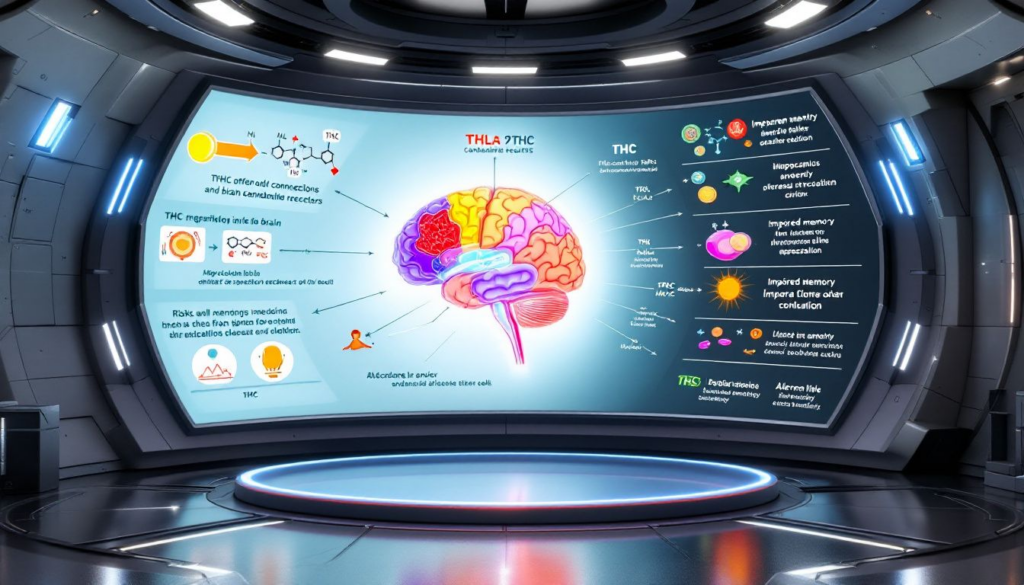
While Delta 9THCA offers potential therapeutic benefits, considering health risks and safety practices is important. With limited research, users should proceed with caution. Consulting healthcare professionals is advised to understand potential interactions with medical conditions or medications.
This section delves into these considerations in detail.
Potential Health Risks
Common side effects of consuming Delta 9THCA include dry mouth and fatigue. Short-term effects may include impaired cognitive functions and heightened anxiety or paranoia.
Long-term marijuana use can pose risks such as dependence and cardiovascular issues. Grasping these risks is crucial for informed cannabis use.
Safe Usage Practices
Safe usage practices begin with consulting healthcare professionals for personalized advice. Starting with low doses and gradually increasing can help gauge tolerance and minimize risks.
Making informed decisions about Delta 9THCA requires understanding both its benefits and potential risks. This approach ensures a safer, more enjoyable experience.
User Experiences and Testimonials
User experiences with Delta 9THCA vary, reflecting its benefits and challenges. Many users report positive effects like relaxation, stress relief, and pain management. However, some users experience adverse reactions such as increased anxiety and paranoia, especially at higher doses.
These testimonials provide valuable insights into real-world use of Delta 9THCA.
Summary
In summary, Delta 9THCA is a fascinating cannabinoid with a unique profile, offering both therapeutic benefits and psychoactive effects. Understanding its chemical structure, formation, and conversion process is crucial for informed use.
Navigating its legal status and potential health risks, along with safe usage practices, ensures a responsible approach to cannabis use. Whether you’re seeking therapeutic relief or curious about its psychoactive properties, Delta 9THCA offers a versatile option in the world of cannabinoids.
Frequently Asked Questions
What is Delta 9THCA?** **?
Delta 9THCA is a non-psychoactive cannabinoid in cannabis that turns into the psychoactive Delta 9 THC when exposed to heat. So, if you’re looking for the benefits without the high, THCA might be the way to go!
How is Delta 9THCA formed in cannabis plants?** **?
Delta 9THCA forms in cannabis plants when enzymes convert cannabigerolic acid (CBGA) into THCA. It’s a natural process that plays a key role in the plant’s cannabinoid profile.
What is Delta 9THCA?** **?
Delta 9THCA is a non-psychoactive cannabinoid in cannabis that turns into the psychoactive Delta 9 THC when exposed to heat. So, if you’re looking for the benefits without the high, THCA might be the way to go!
How is Delta 9THCA formed in cannabis plants?** **?
Delta 9THCA forms in cannabis plants when enzymes convert cannabigerolic acid (CBGA) into THCA. It’s a natural process that plays a key role in the plant’s cannabinoid profile.
What are the effects of Delta 9THCA?** **?
Delta 9THCA is non-psychoactive when raw, providing therapeutic benefits without getting you high. However, when heated, it turns into Delta 9 THC, leading to feelings of euphoria and relaxation.
Is Delta 9THCA legal?** **?
Delta 9THCA is generally legal at the federal level if it comes from hemp and contains less than 0.3% THC, but make sure to check your specific state laws since they can vary. Always better to double-check!
What are the potential health risks of Delta 9THCA?** **?
Delta 9THCA can lead to dry mouth, cognitive impairment, anxiety, and even long-term dependence and cardiovascular problems. It’s important to be aware of these risks if you’re considering its use.