
Curious about THCa vs THC: which is stronger? The main difference is that THC is psychoactive, making it significantly stronger than the non-psychoactive THCa. This article will explore how these cannabinoids differ, their effects, and their benefits.
Key Takeaways
- THCa is a non-psychoactive cannabinoid found in raw cannabis, while THC is the psychoactive component responsible for the cannabis ‘high’.
- The conversion from THCa to THC, known as decarboxylation, occurs when THCa is heated, making THC more potent with effects like relaxation and euphoria.
- Choosing between THCa and THC depends on individual health needs and preferences, with THCa providing therapeutic benefits without intoxication and THC offering stronger psychoactive effects.
Understanding THCa and THC
THCa and THC are both cannabinoids found within the cannabis plant, but they are far from identical. THCa, or tetrahydrocannabinolic acid, is a non-psychoactive cannabinoid present in raw cannabis plants. It serves as a precursor to THC, the compound responsible for the intoxicating effects that many associate with cannabis use.
These compounds differ in chemical structure, origin, and effects. While THCa remains non-psychoactive, THC emerges as the key player in delivering the psychoactive effects that have made cannabis famous.
What is THCa?
THCa, or tetrahydrocannabinolic acid, is a naturally occurring cannabinoid in raw cannabis plants. Unlike THC, THCa does not produce any psychoactive effects due to an extra carboxylic acid group that prevents it from binding to cannabinoid receptors in the brain. This makes THCa a non-psychoactive cannabinoid, offering a different set of benefits and applications compared to its psychoactive counterpart.
Cannabis products containing THCa include raw cannabis items such as juices, tinctures, and THCa flowers. These raw cannabis products allow consumers to experience the potential health benefits of THCa without the high associated with consuming THC. Additionally, a cannabis product can provide a unique way to enjoy these benefits.
What is THC?
THC, or tetrahydrocannabinol, is the primary psychoactive compound in cannabis. It is responsible for the mind-altering effects that many users seek. THC is derived from THCa through a process called decarboxylation, which we will explore more in depth later.
The chemical structure of THC allows it to bind effectively with CB1 receptors in the brain, leading to effects such as relaxation, euphoria, and altered perception. This psychoactive property is what sets THC apart from THCa, making it a focal point in discussions about cannabis use and its effects.
How THCa Converts to THC
The transformation of THCa into THC is a fascinating process known as decarboxylation. This chemical reaction occurs when THCa is exposed to heat, resulting in the loss of a carboxyl group and the formation of THC.
This conversion explains how non-psychoactive THCa turns into the intoxicating THC.
The Decarboxylation Process
Decarboxylation unlocks the psychoactive properties of cannabis by heating THCa, removing a carboxyl group, and forming THC.
This reaction activates cannabinoids in cannabis, allowing users to experience THC’s full effects through smoking, vaping, or cooking.
Factors Influencing Conversion
The effectiveness of decarboxylation depends on factors like temperature (200-245°F) and duration (30-40 minutes).
Moisture, plant state, and room humidity also affect how efficiently THCa converts to THC.
Comparing Strength: THCa vs. THC
When comparing the strength of THCa and THC, it’s clear that THC is the more potent compound. THC’s psychoactive properties make it far more impactful on the mind and body compared to the non-psychoactive THCa.
This difference in strength also extends to their effects, with THC delivering a range of psychoactive experiences while THCa offers milder, non-intoxicating benefits.
Psychoactive Properties
THC is well-known for its psychoactive properties, which are primarily due to its interaction with CB1 receptors in the brain. These interactions lead to effects such as increased appetite, euphoria, altered perception, and heightened sensory awareness.
In contrast, THCa does not produce these psychoactive effects. Even when consumed in its raw form, THCa remains non-psychoactive, making it a suitable option for those seeking the benefits of cannabis without the associated high.
Therapeutic Benefits
Both THCa and THC offer significant therapeutic benefits, albeit in different ways. THCa is being researched for its potential to reduce inflammation and protect nerve cells, which could be beneficial for conditions like multiple sclerosis, Alzheimer’s, and Parkinson’s disease.
On the other hand, THC is widely recognized for its ability to relieve pain, reduce anxiety, and stimulate appetite, making it valuable for various medical applications.
Side Effects
THCa generally has milder side effects compared to THC. Some users may experience stomach aches, sleepiness, or inhibited effects of certain drugs when consuming raw THCa.
In contrast, high doses of THC can lead to more severe side effects such as paranoia, anxiety, memory issues, and physical symptoms like red eyes, dry mouth, and increased heart rate. Thus, while THCa presents a lower risk profile, THC’s side effects must be carefully managed.
Consumption Methods
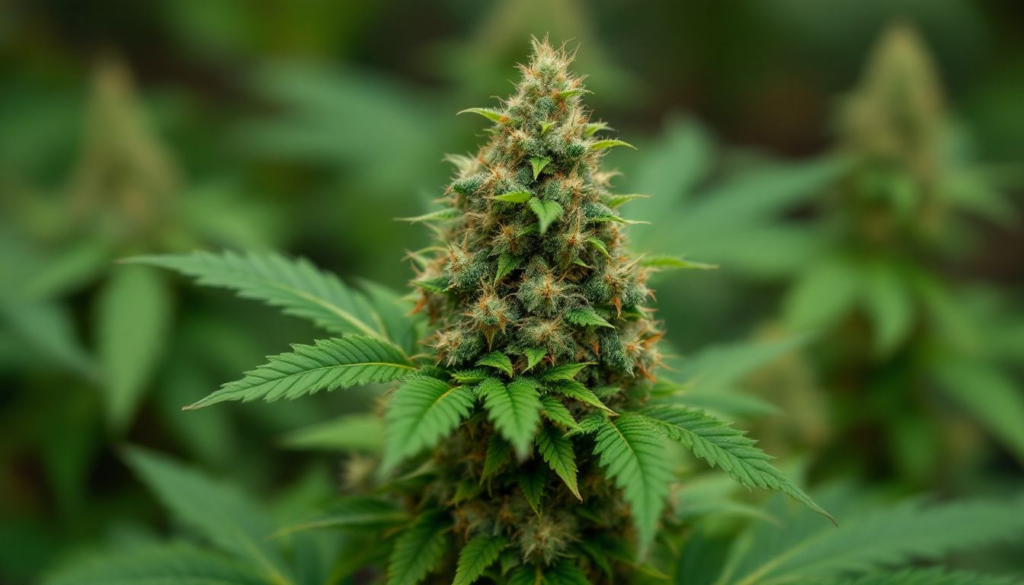
There are various methods for consuming THC and THCa, each with its own set of effects and onset times. Whether through smoking, vaping, edibles, beverages, topicals, or sublinguals, the method of consumption can significantly influence the experience.
These methods allow cannabis consumers to select the best approach for their needs, whether they prefer rapid onset, prolonged effects, or localized relief.
Smoking and Vaping
Smoking and vaping rapidly convert THCa into THC, providing effects within minutes and offering immediate relief.
However, smoking cannabis can pose health risks such as chronic cough and lung irritation over time, making it essential to weigh the benefits against the potential downsides.
Edibles and Beverages
Edibles and beverages take about an hour to take effect but provide results lasting 4-6 hours.
Edibles are preferred for their discreet nature and prolonged effects, but starting with a low dose is advisable to avoid overwhelming effects.
Topicals and Sublinguals
Topicals provide localized relief without intoxication, while sublinguals allow rapid absorption into the bloodstream for quicker effects.
These methods are particularly useful for those seeking potential therapeutic benefits or quicker results.
Legal Status and Drug Tests
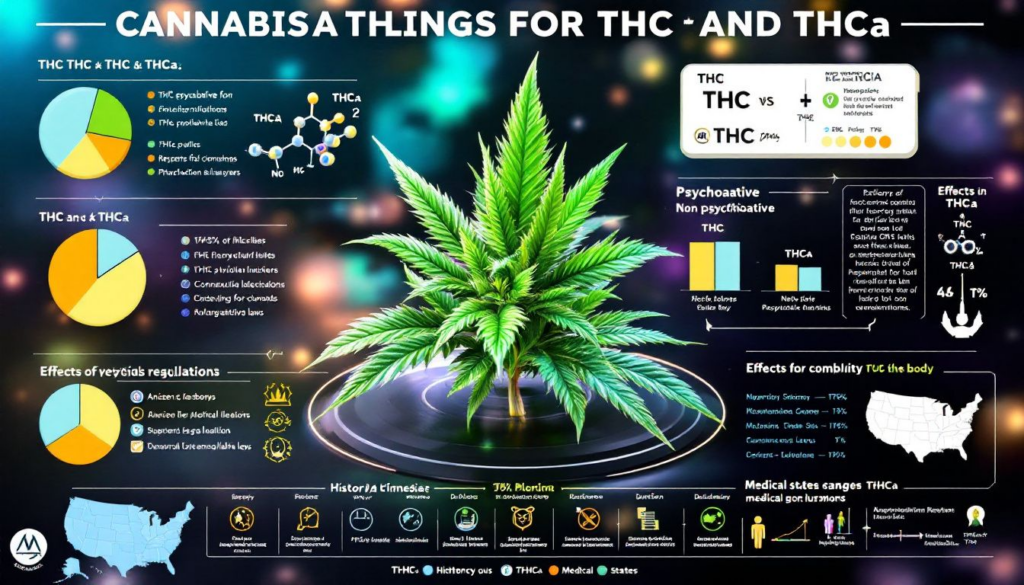
THCa and THC’s legal status varies widely. THCa often falls into a gray area due to a loophole in the 2018 Farm Bill, but state laws differ significantly.
THC, on the other hand, is classified as a controlled substance at the federal level, though many states have legalized it for medical or recreational use. Navigating these legal nuances is key for responsible cannabis use.
Legal Status of THCa
While federally ambiguous due to a 2018 Farm Bill loophole, THCa’s legality varies by state, with some states embracing it and others imposing restrictions.
This variation creates a gray area for users and producers.
Legal Status of THC
Federally, THC is a Schedule I controlled substance, illegal unless permitted for medical or research purposes, reflecting its high potential for abuse and no accepted medical use.
State laws vary, with some legalizing THC for medical or recreational use. Globally, there is also a shift towards recreational legalization in some countries.
Drug Test Considerations
Both THCa and THC can appear on drug tests, leading to legal repercussions. Detection risk increases when THCa converts to THC.
Health Risks and Safety
Knowing the health risks and safety of THC and THCa is crucial for responsible use. Regular THC use can impact emotional and psychological health, leading to mental health challenges. Young users are particularly at risk, as THC can interfere with mood, memory, and cognitive functions, and frequent use may lead to dependency and physical health risks like lung damage from smoking.
Cognitive and Mental Health Impacts
Prolonged THC use can slow cognitive processing, impair decision-making, and cause memory issues. High doses may induce anxiety or paranoia, especially in inexperienced users.
Frequent consumption of THC is linked to a higher risk of developing depression, especially if started at a young age.
Physical Health Concerns
Physical health concerns with THC use include increased heart rate, bloodshot eyes, and dry mouth. Smoking THC can lead to chronic cough and lung irritation over time.
Key Takeaways: THCa vs THC
The key differences between THCa and THC lie in their psychoactive properties and effects. THC is stronger due to its psychoactive effects, providing both therapeutic benefits and potential health risks. In contrast, THCa offers health benefits without causing a ‘high’.
Ultimately, choosing between THCa and THC depends on individual preferences, body chemistry, and health considerations. THC’s potency appeals to those seeking intense effects, while THCa’s non-psychoactive nature offers a milder, therapeutic experience.
Summary
In summary, THCa and THC are both significant cannabinoids with distinct characteristics and effects. THCa, found in raw cannabis plants, is non-psychoactive and offers various potential health benefits. Through the process of decarboxylation, it converts into THC, the primary psychoactive compound responsible for the well-known ‘high’ associated with cannabis use.
Understanding these differences helps cannabis consumers make informed choices about their consumption methods and desired effects. Whether opting for the non-psychoactive benefits of THCa or the more intense experience of THC, being aware of their properties, legal status, and health impacts is essential for responsible use.
Frequently Asked Questions
What is the main difference between THCa and THC?
The main difference between THCa and THC is that THCa is non-psychoactive and present in raw cannabis, whereas THC is the psychoactive compound that results from the decarboxylation of THCa.
How does THCa convert to THC?
THCa converts to THC through decarboxylation, which occurs when THCa is heated, effectively removing a carboxyl group and producing the psychoactive compound THC.
What are the therapeutic benefits of THCa?
THCa provides therapeutic benefits such as anti-inflammatory and neuroprotective effects, making it a promising candidate for addressing conditions like multiple sclerosis, Alzheimer’s, and Parkinson’s disease.
Can THCa and THC be detected in drug tests?
Yes, both THCa and THC can be detected in drug tests, with the likelihood of detection increasing as THCa converts to THC through decarboxylation.
Are there any side effects associated with consuming THCa?
Yes, consuming raw THCa may cause mild side effects like stomach aches, sleepiness, and interaction with certain medications, but these effects are typically less severe than those associated with THC.