
When comparing THCA vs Delta 9, it’s vital to understand their differences in effects, psychoactivity, and legality. THCA is non-psychoactive and found in raw cannabis, while Delta 9 THC is what gives users a ‘high.’ This article explores these distinctions to help you make informed choices.
Key Takeaways
- THCA is non-psychoactive and offers therapeutic benefits without the ‘high,’ while Delta 9 THC is psychoactive and known for its euphoric effects.
- THCA converts to Delta 9 THC through heat, affecting its usage and legal status, with THCA generally facing fewer regulations due to its non-intoxicating nature.
- Both compounds have unique therapeutic properties, with THCA showing promise for anti-inflammatory and neuroprotective benefits, while Delta 9 THC is often used for pain relief and appetite stimulation.
THCA vs Delta 9: Key Differences and Effects Explained
THCA and Delta 9 THC are two pivotal compounds in cannabis, each playing significant yet distinct roles. THCA, found in raw cannabis, is non-psychoactive, meaning it does not produce the intoxication or ‘high’ that many associate with cannabis use. Instead, it serves as the chemical precursor to Delta 9 THC, which is the compound responsible for the psychoactive effects commonly experienced. When THCA is heated, through smoking or cooking, it converts to Delta 9 THC, unveiling its potential for euphoria and altered sensory perception.
The legal landscape also reflects these differences. THCA, being non-psychoactive, generally enjoys a more favorable legal status compared to Delta 9 THC, which is subject to stricter regulations due to its psychoactive properties. Understanding these key differences is essential for anyone looking to explore the benefits and effects of cannabis compounds, whether for therapeutic purposes or recreational enjoyment.
Introduction
Cannabinoids, the active compounds in cannabis, are at the heart of both its medicinal and recreational uses. THCA, or tetrahydrocannabinolic acid, stands out among these compounds. Additionally, Delta 9 THC is also particularly notable. They stand out not only for their prevalence in the cannabis plant but also for their unique properties and effects. This comparison dives deep into these two cannabinoids, providing a detailed look at their differences and uses.
Exploring THCA and Delta 9 THC reveals the interaction of these compounds with our bodies, their potential therapeutic benefits, and their varying legal statuses. This guide promises to equip you with the knowledge needed to make informed choices about cannabis use, whether you’re a seasoned user or just beginning your journey into the world of cannabinoids.
What is THCA?
THCA, or tetrahydrocannabinolic acid, is a non-psychoactive cannabinoid found abundantly in raw cannabis. Unlike Delta 9 THC, which is known for its psychoactive effects, THCA does not cause intoxication in its natural state. This makes it an appealing option for those seeking the therapeutic benefits of cannabis without the high. Found primarily in live cannabis plants, THCA is the precursor to Delta 9 THC and plays a crucial role in the plant’s potency and overall chemical profile.
As the cannabis plant matures and undergoes various processes, THCA can transition into Delta 9 THC through decarboxylation—a process involving heat. This transformation is key to tailoring different cannabis products to meet specific needs, whether for recreational use or medicinal purposes. The non-psychoactive nature of THCA also contributes to its generally favorable legal status compared to its psychoactive counterpart.
Growing interest in THCA has led to the development of high-THCA hemp products, offering benefits without the legal complexities of Delta 9 THC. These products are gaining traction in the health and wellness market, highlighting the growing recognition of THCA’s potential.
Chemical Structure of THCA
THCA is distinguished from Delta 9 THC by its chemical structure, specifically the presence of a carboxylic acid group. This carboxylic acid group is what makes THCA non-psychoactive in its raw form. When exposed to heat, this group is removed in a process called decarboxylation, converting THCA into Delta 9 THC and unlocking its psychoactive properties.
This chemical distinction helps in comprehending how THCA can be used in various applications without inducing the psychoactive effects associated with Delta 9 THC. This molecular difference is what enables THCA to offer therapeutic benefits without the high, making it a valuable compound in the realm of cannabinoid research and product development.
How THCA Occurs Naturally
THCA naturally occurs in raw and live cannabis plants, where it is abundant before the process of decarboxylation. It originates from CBGa (cannabigerolic acid), the precursor from which all other cannabinoids are synthesized. During the early stages of the cannabis plant’s growth, THCA content is typically higher, making early harvests particularly rich in this compound.
As the plant matures and undergoes various environmental changes, THCA can gradually convert into other cannabinoids, including Delta 9 THC. This natural occurrence underscores the importance of harvest timing and processing methods in producing high-THCA hemp and marijuana plants products and other cannabis derivatives.
Potential Therapeutic Benefits of THCA
THCA is gaining interest due to its possible therapeutic advantages. These benefits include anti-inflammatory and neuroprotective properties. Research suggests that THCA may help reduce inflammation, making it a promising option for conditions like arthritis and other inflammatory disorders. Additionally, its neuroprotective benefits, such as those observed in models of Huntington’s disease, indicate that THCA could play a role in treating neurodegenerative diseases.
The therapeutic potential of THCA extends to its ability to increase mitochondrial mass and prevent cell death, further supporting its use in neuroprotective applications. Unlike Delta 9 THC, THCA provides these benefits without the intoxicating effects, making it a suitable option for patients who seek relief without the high.
In the broader context of cannabinoid research, THCA’s potential benefits are being explored in various health-related applications. Its non-psychoactive nature allows for its use in a range of therapeutic settings, from dietary supplements to specific medical treatments. As more research emerges, the role of THCA in the cannabis market is likely to expand, offering new opportunities for medicinal and wellness applications.
What is Delta 9 THC?
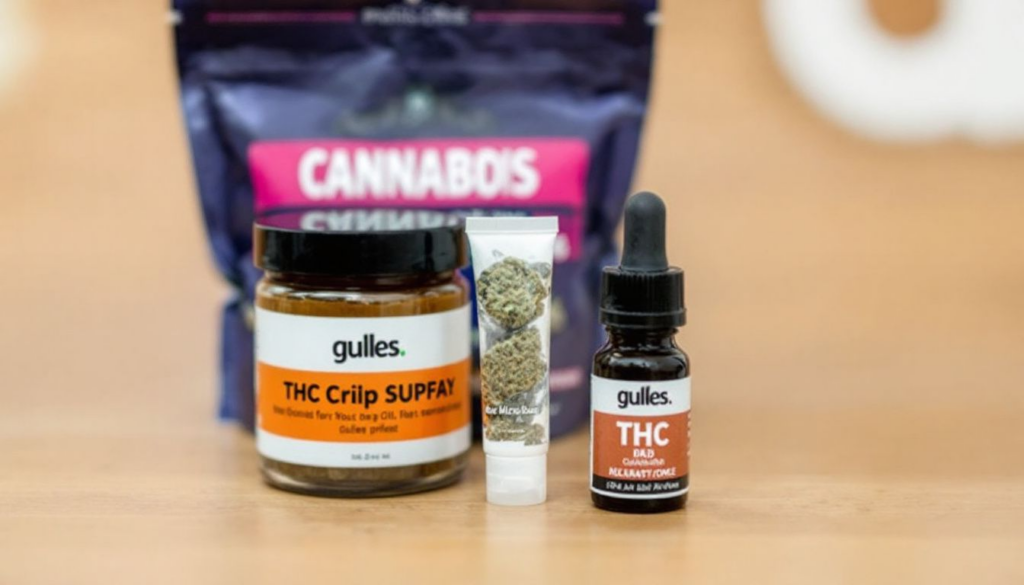
Delta 9 THC, often simply referred to as THC, is the primary psychoactive compound in cannabis. It is responsible for the ‘high’ that users experience, characterized by euphoria, relaxation, and altered sensory perceptions. This compound interacts with the endocannabinoid system in the human body, influencing various physiological processes and contributing to its psychoactive effects.
Users of Delta 9 THC often report feelings of heightened sensory perception and euphoria, which can enhance recreational activities and social interactions. However, not all experiences are positive; some users may experience anxiety or paranoia, indicating the importance of personal tolerance levels and responsible use. Despite these potential side effects, Delta 9 THC is also being explored for its therapeutic applications, particularly in managing physical discomfort and sleep disorders.
In states where cannabis is legal, Delta 9 THC products are widely available in various forms, including edibles, tinctures, and vape cartridges. These products cater to both recreational users and those seeking specific therapeutic benefits, making Delta 9 THC a versatile and popular choice in the cannabis market.
Psychoactive Properties of Delta 9 THC
Delta 9 THC is renowned for its psychoactive properties, which induce a range of effects from euphoria and relaxation to altered sensory perception. These effects are primarily due to its interaction with the endocannabinoid system, particularly the CB1 receptors in the brain. This interaction leads to changes in mood, perception, and cognition, making Delta 9 THC a popular choice for recreational use.
Common experiences with Delta 9 THC include an enhanced enjoyment of music and food, as well as a general sense of well-being. However, it can also lead to less desirable effects such as anxiety and paranoia, especially in higher doses or among inexperienced users.
Anyone considering Delta 9 THC for recreational or medicinal purposes should be aware of these psychoactive properties.
How Delta 9 THC is Formed
Delta 9 THC is formed through a process called decarboxylation, where THCA is exposed to heat, causing it to lose a carboxyl group and convert into Delta 9 THC. This transformation is critical as it activates the psychoactive properties of the compound, allowing users to experience the characteristic high associated with THC.
Decarboxylation typically occurs at temperatures above 230°F, which can be achieved through smoking, vaping, or cooking cannabis. This process not only enhances the potency of the product but also unlocks the full range of effects that Delta 9 THC can provide. Knowing how Delta 9 THC is formed helps users make informed choices about consumption methods and expected effects.
The rapid conversion of THCA to Delta 9 THC upon heating underscores the importance of proper processing and handling of cannabis products. Whether for recreational or medicinal use, knowing how and when this transformation occurs can influence the user’s experience and the therapeutic benefits they may seek.
Health Risks and Side Effects
While Delta 9 THC offers numerous therapeutic benefits, it is not without its health risks and side effects. Common adverse effects include cognitive deficits, dry mouth, dizziness, heightened anxiety, and paranoia. These side effects can vary based on the individual’s tolerance, dosage, and method of consumption.
Moreover, the psychoactive nature of Delta 9 THC means it has the potential for abuse and addiction. Users should approach its use with caution, starting with low doses and gradually increasing as needed to minimize negative effects and avoid dependence.
Awareness of these risks is important for anyone considering Delta 9 THC for health or recreational use.
Comparing THCA and Delta 9 THC
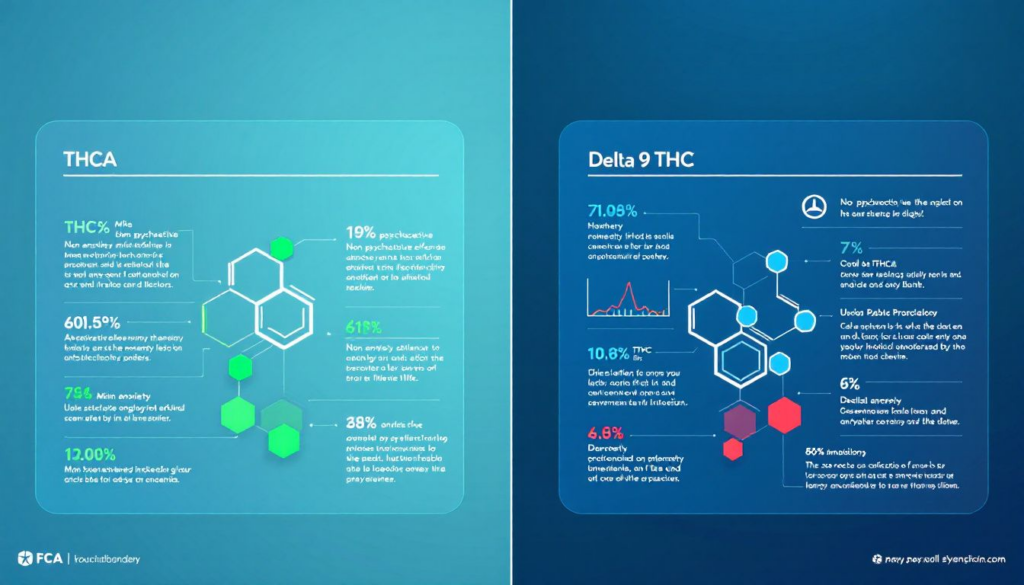
When comparing THCA and Delta 9 THC, the most notable difference lies in their psychoactive properties. THCA is non-psychoactive in its raw form, making it suitable for those who seek the therapeutic benefits of cannabis without the high. In contrast, Delta 9 THC is well-known for its psychoactive effects, which include euphoria, altered sensory perception, and relaxation.
The therapeutic uses of these compounds also differ significantly. While both offer potential health benefits, THCA is often chosen for its anti-inflammatory and neuroprotective properties without the risks of intoxication. Delta 9 THC, on the other hand, is frequently used for its pain relief and appetite stimulation properties, making it beneficial for patients undergoing treatments like chemotherapy that affect appetite and cause significant pain.
The choice between THCA and Delta 9 THC often depends on individual preferences and specific health needs. Some users may prefer the non-intoxicating, subtle therapeutic effects of THCA, while others may seek the potent, immediate relief provided by Delta 9 THC. These differences help users make informed decisions about their cannabis consumption.
Non-Psychoactive vs. Psychoactive Nature
The non-psychoactive nature of THCA makes it an appealing choice for those who want to avoid the high associated with Delta 9 THC. This characteristic allows users to benefit from its therapeutic properties without experiencing intoxication, making it suitable for daytime use or for individuals who need to maintain clarity and focus.
Conversely, Delta 9 THC’s psychoactive properties are sought after for recreational use and for their potent therapeutic effects, as they can produce the same psychoactive effects that provide significant relief for those dealing with chronic pain, anxiety, or insomnia. However, these effects also come with the risk of side effects like anxiety and paranoia, particularly at higher doses.
Therapeutic Effects and Uses
Both THCA and Delta 9 THC offer a range of therapeutic effects and medicinal properties, making them valuable in different medical contexts. For instance, THCA’s anti-inflammatory properties make it a potential treatment for conditions like arthritis and other inflammatory diseases. Its neuroprotective benefits are also being explored in the context of neurodegenerative diseases, showing promise in preliminary studies.
Delta 9 THC, meanwhile, is well-known for its pain-relieving properties, which can significantly reduce the need for opioids in patients with neuropathic pain and fibromyalgia. Its ability to stimulate appetite is particularly beneficial for patients undergoing treatments that affect appetite, such as chemotherapy.
The therapeutic uses of these compounds highlight their potential in various health-related applications. While THCA offers non-intoxicating relief, Delta 9 THC provides potent effects that can be tailored to meet specific medical needs. This diversity in therapeutic applications underscores the importance of understanding both compounds and their benefits.
Duration and Onset of Effects
The duration and onset of effects for THCA and Delta 9 THC can vary significantly depending on the method of consumption. For instance, when consumed as edibles, the onset of effects can take around an hour, but the duration can last several hours. This slower onset but prolonged effect is ideal for sustained relief from chronic conditions.
When THCA is converted to Delta 9 THC through heating, the onset of psychoactive effects can be quite rapid, particularly with methods like smoking or vaping. These methods allow the cannabinoids to enter the bloodstream quickly, providing almost immediate effects.
These differences can guide users in choosing the right consumption method for their needs.
Legal Status and Considerations
Navigating the legal landscape of THCA and Delta 9 THC is crucial for consumers. The legal status of these compounds varies significantly depending on federal and state laws. THCA, being non-psychoactive, often falls into a legal grey area, while Delta 9 THC is strictly regulated due to its psychoactive nature.
Knowing local laws is crucial for anyone interested in using these cannabinoids. While THCA may be generally considered legal under federal guidelines, its status can change based on state-specific regulations. This complexity underscores the importance of checking local laws to ensure compliance and avoid legal issues.
Consumers must be aware of the legal considerations surrounding these cannabinoids to make informed decisions. Staying updated on the changing legal landscape helps avoid potential pitfalls and ensures that users can enjoy the benefits of THCA and Delta 9 THC within the boundaries of the law.
Legality Under the Farm Bill
The 2018 Farm Bill has played a significant role in shaping the legality of hemp-derived cannabinoids, including THCA and Delta 9 THC. According to this bill, hemp products are federally legal as long as they contain no more than 0.3% Delta 9 THC by dry weight. This threshold allows for the production and sale of hemp-derived products, including those rich in THCA.
THCA is treated similarly to other hemp derivatives under the Farm Bill, making it generally legal at the federal level. However, this legality can vary based on how individual states interpret and implement these guidelines. It’s crucial for consumers to understand these nuances to ensure they are purchasing and using these products legally.
State-Specific Regulations
State-specific regulations can greatly affect the legality of hemp-derived Delta 9 THC and THCA. Some states have stricter regulations that may prohibit certain THCA products, especially if they exceed the legal THC limits. This variation means that what is legal in one state may not be in another, making it essential for consumers to be aware of their local laws.
In regions where laws are more restrictive, high-THCA products might be classified as illegal if they are found to contain higher amounts of THC. Therefore, consumers should always check the specific regulations in their area to ensure compliance and avoid any legal issues.
Consumption Methods
There are various methods for consuming THCA and Delta 9 THC, each with its own benefits and considerations. These methods include edibles, capsules, oils, tinctures, vaping, and smoking. Choosing the right method depends on individual preferences, desired effects, and specific medical conditions.
For those who prefer a more controlled dosage and longer-lasting effects, edibles and capsules are a popular choice. These forms offer fixed doses and a delay in the onset of effects, making them ideal for sustained relief. On the other hand, oils and tinctures provide faster absorption and can be easily integrated into daily routines.
Vaping and smoking are preferred methods for users seeking immediate effects. These methods provide higher bioavailability, meaning more of the active compounds enter the bloodstream quickly, resulting in a rapid onset of effects. Understanding these consumption methods helps users make informed choices based on their needs and preferences.
Edibles and Capsules
Edibles, such as gummies, are a popular choice for consuming THCA. They offer fixed doses, great taste, and a delayed onset of effects, typically around an hour after consumption. This makes them ideal for those who need prolonged relief from symptoms without the need for frequent dosing.
The bioavailability of THCA in edibles ranges from 10-20%, meaning that a significant portion of the compound is absorbed into the bloodstream. This method is particularly useful for users who prefer a discreet and convenient way to consume THCA, ensuring consistent and controlled dosing.
Oils and Tinctures
Oils and tinctures are popular consumption methods due to their convenience and versatility. These products allow for quicker absorption of cannabinoids into the bloodstream compared to traditional methods. This makes them a preferred choice for users seeking fast relief from symptoms.
There are various types of oils and tinctures available, including CBD oils and THC tinctures, each with unique properties and effects. When selecting these products, it’s important to consider the cannabinoid concentration and the intended therapeutic effects to ensure the best results.
Vaping and Smoking
Vaping and smoking THCA and Delta 9 THC flowers provide higher bioavailability compared to other consumption methods. These methods allow cannabinoids to be absorbed through the lungs, resulting in a rapid onset of effects. This quick absorption is ideal for users seeking immediate relief from symptoms.
The method of inhalation, whether through vaping or smoking, allows the cannabinoids to reach the bloodstream quickly, providing almost immediate effects. This makes these methods popular among recreational users and those needing fast-acting relief from conditions like chronic pain or anxiety.
Medical Research and Studies
Medical research on Delta 9 THC and THCA has highlighted their significant therapeutic potential. Delta 9 THC is particularly noted for its ability to manage pain, nausea, and psychological disorders, making it a focal point in various studies. Its psychoactive effects, while sometimes controversial, are also recognized for their impact on wellness and quality of life.
Current research on Delta 9 THC covers its effectiveness in treating chronic pain, chemotherapy-induced nausea, and neurological conditions. These studies illustrate the compound’s significant therapeutic potential, contributing to the evolving understanding of cannabinoids and their applications in medicine.
THCA is also being explored for its neuroprotective properties and potential in treating neuroinflammatory conditions. Its non-psychoactive nature makes it a promising candidate for therapeutic applications without the intoxicating effects, supporting its use in various health-related contexts.
Chronic Pain Management
Research indicates that Delta 9 THC may provide significant relief for chronic pain, improving the quality of life for patients experiencing neuropathic pain. This pain-relieving property makes it a valuable alternative to opioids, reducing dependency and potential side effects associated with opioid use.
THCA also shows promise in managing chronic pain and conditions such as arthritis and epilepsy. Its anti-inflammatory properties further support its use in treating inflammatory conditions, offering a non-intoxicating option for patients seeking relief from persistent pain and discomfort.
Neuroprotective and Anti-Inflammatory Effects
Research highlights the neuroprotective benefits of both raw THCA and Delta 9 THC. THCA, in particular, has been found to possess significant anti-inflammatory properties, making it a potential therapeutic agent for inflammatory conditions. These properties contribute to its therapeutic potential in treating neurodegenerative diseases and other neurological conditions.
The combination of neuroprotective and anti-inflammatory effects is a focal point of ongoing research in cannabinoid therapy. These effects not only enhance the therapeutic applications of THCA and Delta 9 THC but also support the development of new treatments and wellness products that leverage these benefits.
User Experiences and Testimonials
User experiences with THCA and Delta 9 THC can differ significantly. This variation is influenced by individual preferences and personal tolerance levels. Many users appreciate THCA for its non-intoxicating properties and subtle therapeutic benefits, such as relief from inflammation and mild pain reduction. Personal stories highlight the overall sense of well-being that THCA can provide without the psychoactive effects.
Conversely, users of Delta 9 THC often report a range of effects, from relaxation and euphoria to heightened sensory perception. While some find these effects enjoyable and beneficial, others may experience increased anxiety or paranoia, emphasizing the importance of understanding personal tolerance and starting with lower doses.
These testimonials provide valuable insights into how different individuals interact with these cannabinoids.
Safety and Health Implications
Safety and health implications are critical considerations when using THCA and Delta 9 THC. Delta 9 THC has the potential for abuse and can be considered addictive, with common side effects including anxiety, paranoia, impaired coordination, and memory problems. These risks underscore the importance of responsible use and understanding personal limits.
THCA, on the other hand, is generally considered safe with few known side effects, such as dizziness, drowsiness, and dry mouth. However, users should still approach its use cautiously, starting with low doses and gradually increasing as needed to avoid any adverse effects. Additionally, considering personal health conditions and potential medication interactions is essential when integrating cannabinoids into a health regimen.
Consumers should always read and follow individual product packaging for dosages and usage instructions. Being aware of potential risks and recommended usage guidelines ensures a safe and positive experience with these cannabinoids.
Consulting Healthcare Professionals
Consulting with healthcare professionals is highly recommended before using THCA or Delta 9 THC. These professionals can provide guidance on proper dosage, potential interactions with other medications, and the suitability of these cannabinoids for specific health conditions. This consultation is crucial for ensuring safe and effective use.
Proper dosage is key to achieving positive outcomes with cannabis use. Healthcare professionals can help tailor the dosage to individual needs, minimizing the risk of adverse effects and maximizing the therapeutic benefits.
Responsible use and professional guidance are essential for anyone considering these cannabinoids for medicinal purposes.
Innovations in the Cannabis Industry
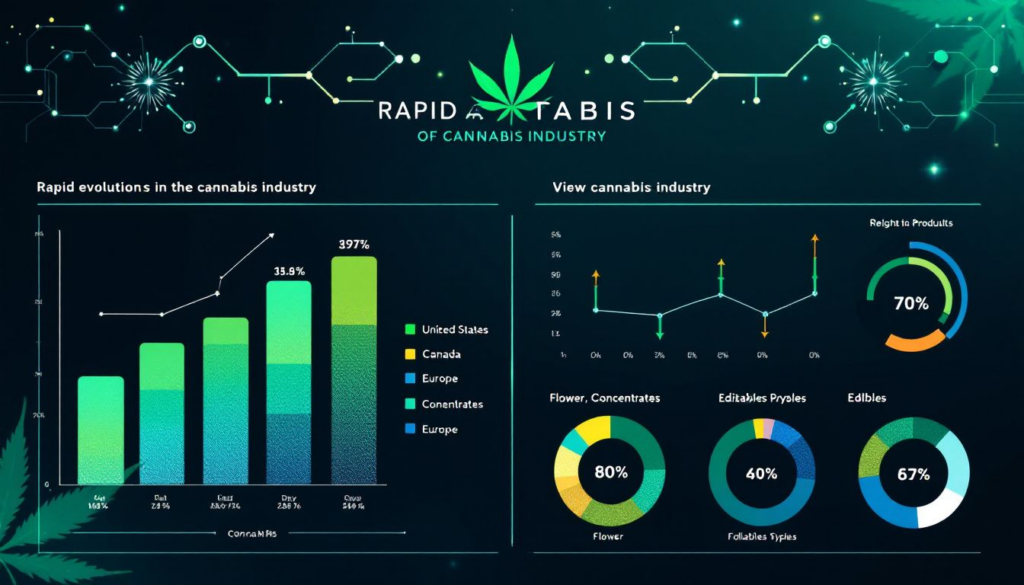
The cannabis industry is rapidly evolving, with significant innovations in the production and usage of THCA and Delta 9 THC. Advances in extraction and isolation techniques are ensuring higher purity and potency of these compounds, enhancing the overall consumer experience. These innovations are driven by growing consumer demand and evolving research into the therapeutic benefits of cannabinoids.
THCA flower, for instance, is gaining increased demand from health-conscious consumers seeking natural and wellness-oriented products. Similarly, Delta 9 THC products are evolving to meet diverse consumer needs, with new forms like edibles, oils, and tinctures becoming increasingly popular. This dynamic market reflects the broadening acceptance and understanding of cannabis compounds.
The current state of cannabinoid research is also contributing to these innovations, uncovering new applications and enhancing existing products. As more insights emerge, the cannabis industry is poised to offer even more tailored and effective products to meet the growing consumer base.
New THCA-Rich Hemp Products
There is a growing demand for organic and indoor-grown THCA flowers among consumers. This demand is driven by the increasing popularity of THCA-rich products, as they offer natural and health-oriented options without the psychoactive effects of Delta 9 THC. Recent advancements in THCA research are expanding its potential uses in medicine and health, highlighting its promising future.
The combination of consumer interest and emerging research suggests a bright future for THCA-rich hemp products. These products are likely to become more prevalent in the market, offering a variety of applications for those seeking the therapeutic benefits of THCA without the high.
Future Trends in Delta 9 THC Products
The market for Delta 9 THC products is set to expand significantly, driven by changing consumer preferences and ongoing research. New product developments, such as more potent edibles, innovative vape products, and specialized tinctures, are responding to the diverse needs of consumers. These products cater to both recreational users and those seeking specific therapeutic benefits.
As the cannabis industry continues to evolve, Delta 9 THC products will likely see further innovations, enhancing their efficacy and user experience. This ongoing development reflects the dynamic nature of the cannabis market and the growing acceptance of cannabinoids in mainstream health and wellness.
Summary
In summary, THCA and Delta 9 THC are two pivotal cannabis compounds with distinct properties and effects. THCA, a non-psychoactive precursor found in raw cannabis, offers therapeutic benefits without the high, making it suitable for those seeking relief without intoxication. Delta 9 THC, on the other hand, is known for its psychoactive properties, providing euphoria and relaxation, but also comes with potential side effects and legal considerations.
Understanding the differences between these compounds, their therapeutic uses, and the legal landscape is crucial for making informed decisions about cannabis consumption. As the cannabis industry continues to innovate and expand, staying informed about these developments will help consumers navigate the evolving market and make the best choices for their health and wellness.
Frequently Asked Questions
What is the main difference between THCA and Delta 9 THC?
The main difference is that THCA is non-psychoactive and won’t get you high, while Delta 9 THC is the compound that produces that euphoric high associated with cannabis. So, if you’re looking for the effects, Delta 9 is the way to go!
How is Delta 9 THC formed from THCA?
Delta 9 THC is created from THCA when it undergoes decarboxylation, losing a carboxyl group through heat exposure. This transformation happens during smoking, vaping, or cooking, giving THC its psychoactive effects.
Are there any therapeutic benefits of using THCA?
Absolutely, THCA has promising therapeutic benefits like anti-inflammatory and neuroprotective effects, making it a potential treatment for conditions such as arthritis and epilepsy, all without the high associated with THC.
What are the common side effects of Delta 9 THC?
Common side effects of Delta 9 THC include dry mouth, dizziness, increased anxiety, and paranoia. It’s crucial to use it responsibly to minimize these effects.
How can I ensure the safe use of THCA and Delta 9 THC?
To ensure the safe use of THCA and Delta 9 THC, start with low doses and consult a healthcare professional beforehand, especially if you have health conditions or take other medications. Always follow dosage instructions on product packaging to minimize risks and maximize benefits.