
Are Delta 9 and THC the same thing? While both terms are often used interchangeably, Delta 9 vs THC highlights that Delta 9 THC is the primary psychoactive component of cannabis, known for its potent psychoactive effects. This article will break down what sets Delta 9 THC apart from other forms of THC, helping you understand its unique properties and effects.
Key Takeaways
- Delta 9 THC is the most prominent psychoactive compound in cannabis, distinct from other forms like Delta 8 and Delta 10 due to its intensity and unique molecular structure.
- Delta 9 THC interacts with the endocannabinoid system by binding to cannabinoid receptors, influencing brain function and offering various therapeutic benefits.
- Consumers should prioritize lab-tested Delta 9 THC products to ensure safety and potency, while also being aware of potential risks and practicing responsible consumption.
- Delta 9 THC is particularly favored by cannabis users for its potent euphoric effects, making it a popular choice for both recreational and therapeutic use.
Understanding Cannabis Compounds
Cannabis compounds are the chemical substances found in the cannabis plant, each contributing uniquely to its effects and benefits. These compounds can be broadly classified into two categories: cannabinoids and non-cannabinoids. Cannabinoids are the primary psychoactive compounds in the cannabis plant, responsible for the mind-altering effects associated with cannabis use. The most well-known cannabinoids include Delta 9 THC, cannabidiol (CBD), and cannabinol (CBN).
Non-cannabinoids, on the other hand, include terpenes, flavonoids, and other compounds that contribute to the plant’s aroma, flavor, and medicinal properties. Terpenes are aromatic compounds that give cannabis its distinctive smell and can also influence its effects. Flavonoids, found in many plants, contribute to the color and have antioxidant properties. Together, these compounds create the entourage effect, where the combined impact of cannabinoids and non-cannabinoids enhances the overall experience and therapeutic benefits of the cannabis plant.
What is the Cannabis Plant?
The cannabis plant, scientifically known as Cannabis sativa, is a flowering plant that belongs to the Cannabaceae family. Native to Central Asia, it has been cultivated and utilized for thousands of years for its medicinal, recreational, and industrial applications. The plant is incredibly versatile, with different parts used for various purposes, from fibers for textiles to seeds for nutrition.
Cannabis sativa contains over 100 different cannabinoids, each with unique properties. Among these, Delta 9 THC (delta-9 tetrahydrocannabinol) is the most prominent and is known for its potent psychoactive effects. Other significant cannabinoids include cannabidiol (CBD), which is non-psychoactive and known for its therapeutic benefits, and cannabinol (CBN), which is mildly psychoactive and often associated with sedative effects. This diverse cannabinoid profile makes the cannabis plant a subject of extensive research and interest in both medical and recreational contexts.
Delta 9 vs THC: What Sets Them Apart?
Many consumers use the terms ‘Delta 9’ and ‘THC’ interchangeably, but crucial differences exist. Delta 9 THC (Delta-9-tetrahydrocannabinol) is the most prevalent form of tetrahydrocannabinol found in cannabis plants, specifically known for its potent psychoactive properties. While other forms of THC, such as Delta 8 and Delta 10, exist, Delta 9 remains the primary cannabinoid responsible for the psychoactive effects experienced during marijuana use.
Unlike its counterparts, Delta 9 THC offers a more refined and intense experience, often leading to feelings of relaxation, giddiness, and an altered perception of time. This specificity and origin make Delta 9 THC distinct among the various THC forms.
These differences help consumers choose cannabis products for specific effects, whether recreational or therapeutic.
The Molecular Structure of Delta 9 THC: The Primary Psychoactive Component

Delta 9 THC’s uniqueness begins at the molecular level. The compound boasts a molecular formula of C21H30O2, marking it as a complex arrangement within the cannabis plant. Its IUPAC name, (6aR,10aR)-6,6,9-trimethyl-3-pentyl-6a,7,8,10a-tetrahydrobenzo[c]chromen-1-ol, reflects its intricate structure, categorized specifically as a delta-9 variant of tetrahydrocannabinol.
The double bond on the ninth carbon atom truly sets Delta 9 apart. This configuration is critical as it influences how Delta 9 THC interacts with cannabinoid receptors in the human body. This bond placement enhances its psychoactive potency, offering a more intense experience.
Moreover, Delta 9 THC exhibits various chemical properties, such as a boiling point of 200°C at low pressure, and its solubility characteristics—insoluble in water but soluble in alcohol and oils. These properties not only affect how Delta 9 THC is processed in the body but also how it can be incorporated into different cannabis products, from tinctures to edibles.
How Delta 9 THC Interacts with the Endocannabinoid System
Grasping how Delta 9 THC interacts with the body’s endocannabinoid system is key to understanding its effects. The endocannabinoid system (ECS) is a complex network of receptors, primarily CB1 and CB2, found throughout the body. Delta 9 THC binds to these receptors, influencing various physiological processes.
CB1 cannabinoid receptor are predominantly located in the central nervous system, while CB2 receptors are mainly associated with immune cells. When Delta 9 THC binds to CB1 receptors, it primarily affects brain function, leading to the psychoactive effects marijuana users experience. On the other hand, interaction with CB2 receptors can influence immune responses, showcasing the compound’s versatility.
Delta 9 THC mimics endocannabinoids, natural body compounds that bind to cannabinoid receptors to regulate mood, appetite, and pain perception. This mimicry activates the ECS, influencing brain function and the immune system, leading to psychoactive effects and therapeutic benefits.
Comparing Effects: Delta 9 THC vs Other Forms of THC

While Delta 9 THC is known for its potent psychoactive effects, other forms of THC, such as Delta 8 and Delta 10, offer different experiences. Delta 8 THC, for instance, is reported to have milder psychoactive effects, making it a preferred choice for those seeking a less intense high. This lower intensity often makes Delta 8 attractive to new users or those sensitive to stronger THC products.
Delta 10 THC, derived from hemp CBD, provides feelings of euphoria and enhanced focus, but its psychoactive intensity is even less than that of Delta 8. Users report that Delta 10 offers a more clear-headed high, suitable for daytime use and activities requiring mental clarity. This variation in effects is significant for consumers choosing cannabis products based on their desired experience.
Delta 9 THC, in comparison, is generally more potent and intoxicating, often leading to a more profound alteration in perception and cognition. These differences help consumers decide whether they seek a strong psychoactive experience or a milder, more functional high.
Alternative Forms of THC
THC, or tetrahydrocannabinol, is the primary psychoactive compound found in the cannabis plant, responsible for the “high” that users experience. However, there are several alternative forms of THC that have gained popularity in recent years, each offering different effects and benefits.
Delta-8 THC
Delta-8 THC is a lesser-known cannabinoid that shares a similar molecular structure with Delta 9 THC but differs slightly in the placement of a double bond. This small difference results in Delta-8 THC having a milder psychoactive effect compared to Delta 9 THC. Found in smaller concentrations in the cannabis plant, Delta-8 THC is often extracted and concentrated for use in various products.
Users report that Delta-8 THC provides a more clear-headed and less intense high, making it a preferred choice for those seeking the benefits of THC without the strong psychoactive effects. Additionally, Delta-8 THC has potential therapeutic benefits, including reducing anxiety and inflammation, making it an attractive option for both recreational and medicinal users.
THCA
THCA, or tetrahydrocannabinolic acid, is a non-psychoactive compound found in the raw cannabis plant. It is the precursor to THC and is converted into THC through a process called decarboxylation, which occurs when the plant material is heated. This conversion is what activates the psychoactive properties of THC.
Despite being non-psychoactive, THCA has been reported to have several potential therapeutic benefits. These include anti-inflammatory properties, neuroprotective effects, and the ability to reduce nausea. However, more research is needed to fully understand the effects and benefits of THCA. As interest in cannabis compounds grows, THCA is becoming an important area of study for its potential health benefits without the psychoactive effects associated with THC.
By understanding these alternative forms of THC, consumers can make more informed choices about the cannabis products they use, tailoring their experiences to their specific needs and preferences.
Legal Status: Navigating Federal and State Laws
Navigating the legal landscape of Delta 9 THC can be complex, as its status varies significantly across different states in the U.S. Federal agencies categorize compounds derived from marijuana or synthetic forms of THC as Schedule I controlled substances, indicating they lack accepted medical use and pose a high potential for abuse. The 2018 Farm Bill, also known as the Agriculture Improvement Act, played a pivotal role in shaping the current legal framework. According to federal law, industrial hemp-derived products containing less than 0.3% Delta 9 THC by dry weight from hemp plants are considered federally legal.
However, this federal legality does not necessarily translate to state approval. States have their regulations, and while some have embraced the federal guidelines, others have stricter laws regarding THC products. This patchwork of regulations creates a legal loophole that consumers must navigate carefully, especially when purchasing cannabis-derived products.
Laboratories analyze dry weight THC content to ensure products comply with federal limits. Such legal scrutiny underscores understanding federal and state laws before purchasing or consuming Delta 9 THC products.
Therapeutic Benefits of Delta 9 THC

Delta 9 THC offers a range of therapeutic benefits that have been the focus of extensive research. Its action on the endocannabinoid system can lead to both psychoactive effects and therapeutic opportunities, such as pain relief and appetite stimulation. These properties make Delta 9 THC valuable in medical applications, especially when traditional treatments fall short.
Synthetic versions of Delta 9 THC, like dronabinol, are already used in medications to treat conditions such as loss of appetite and nausea, particularly in patients undergoing chemotherapy. This highlights the compound’s potential in providing health benefits and improving the quality of life for patients with various medical conditions.
Risks and Side Effects of Delta 9 THC
While Delta 9 THC offers numerous benefits, it is also important to be aware of its potential risks and side effects. Research indicates that smoking or vaping Delta 9 THC can irritate the respiratory system. Additionally, excessive use can lead to cognitive impairment and decreased memory function, highlighting the need for responsible consumption.
Withdrawal symptoms may occur in regular users who suddenly stop consuming Delta 9 THC, and some individuals may experience increased anxiety and paranoia, particularly at high doses. Long-term use has also been associated with potential cardiovascular issues, such as increased heart rate. These risks highlight the need for informed and moderate use of Delta 9 THC.
Safe Consumption Practices for Delta 9 THC
Safe consumption practices are essential for enjoying Delta 9 THC while minimizing risks. Beginners are advised to start with a low dose, around 2 to 5 milligrams, and gradually increase as needed. This cautious approach helps new users gauge their tolerance and avoid adverse effects.
It is also crucial to look for lab-tested products with a Certificate of Analysis (COA) to confirm potency and safety analysis. Testing products for contaminants like heavy metals and pesticides further enhances safety.
Following these guidelines helps consumers enjoy Delta 9 THC responsibly and safely.
Delta 9 THC Products: What to Look For
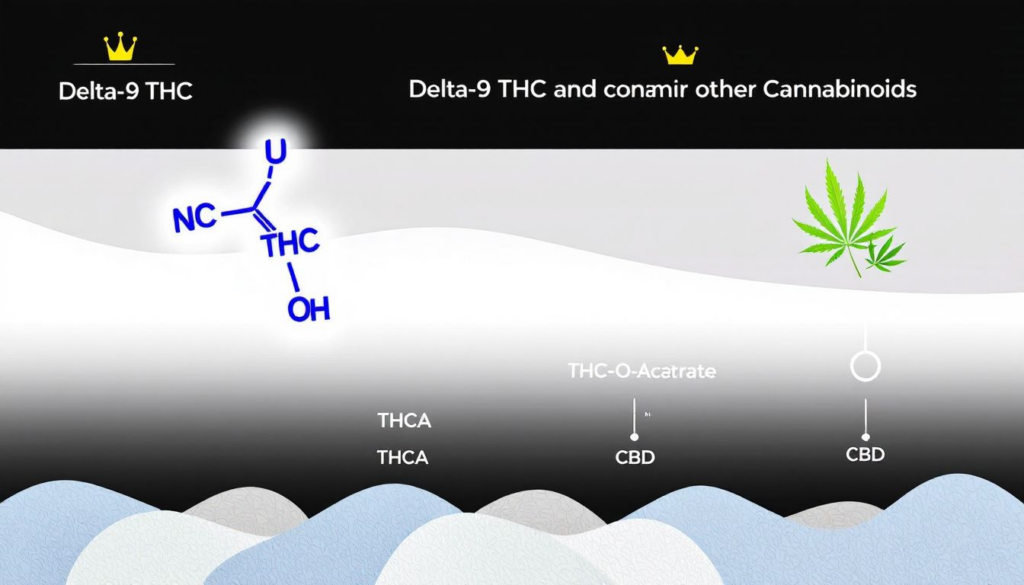
When selecting Delta 9 THC products, consumers should prioritize safety and quality. Lab-tested products ensure efficacy and safety, with Certificates of Analysis (COAs) verifying THC content and label accuracy. Such transparency is crucial for informed choices.
Additionally, consumers should look for full-panel testing for contaminants and products with child-resistant packaging to enhance safety. These measures help ensure that the Delta 9 THC products you choose are both safe and effective, providing peace of mind and a better overall experience.
Understanding the Conversion Process
The conversion process of Delta 9 THC from hemp involves two primary methods: isomerization of CBD and direct extraction from the hemp plant. Isomerization alters hemp-derived CBD to create Delta 9 THC, a method often viewed with legal uncertainty. Direct extraction, on the other hand, involves obtaining Delta 9 THC naturally from the hemp plant without manipulating other cannabinoids.
These processes must comply with federal limits of 0.3% THC in hemp-derived products to qualify as legal hemp. Understanding these methods helps consumers appreciate how Delta 9 THC products are made and their legal standing.
The Role of Clinical Trials in Delta 9 THC Research
Clinical trials are vital in advancing our understanding of Delta 9 THC’s benefits and risks. Despite its potential therapeutic applications, the classification of Delta 9 THC as a Schedule 1 substance has hindered extensive research. Nonetheless, existing studies have shown promise, particularly in treating medical conditions like chronic pain and nausea.
These trials validate the medical use of Delta 9 THC, providing a scientific basis for its therapeutic effects and guiding future applications. Continued research is crucial for unlocking the full potential of this compound.
Delta 9 THC in Recreational Use
Delta 9 THC is highly sought after for its intense psychoactive effects, making it a popular choice for recreational users. Compared to other cannabinoids, Delta 9 THC offers a more profound alteration in perception and cognition, enhancing its allure.
User experiences with Delta 9 THC can vary significantly based on individual tolerance and product potency. Higher concentrations in edibles are common, sometimes exceeding standard dosages allowed in regulated markets. This variability highlights the importance of knowing personal limits and choosing products wisely for a safe, enjoyable experience.
Summary
Throughout this guide, we’ve explored the unique properties and effects of Delta 9 THC, from its molecular structure to its interactions with the endocannabinoid system. We’ve compared it to other THC forms, discussed its legal status, and highlighted both its therapeutic benefits and potential risks. Understanding these facets is crucial for making informed decisions about Delta 9 THC use.
As the cannabis industry continues to evolve, staying informed about the latest research and regulations is essential. Whether for medical use or recreational enjoyment, Delta 9 THC offers a fascinating glimpse into the complex world of cannabis compounds. Embrace the knowledge and make choices that best suit your needs and preferences.
Frequently Asked Questions
What is the difference between Delta 9 THC and other forms of THC?
Delta 9 THC is the primary psychoactive compound in cannabis, providing potent effects, whereas Delta 8 and Delta 10 THC are variations that deliver milder experiences. Consequently, users may prefer Delta 9 for stronger effects or opt for the other forms for a more subdued experience.
How does Delta 9 THC interact with the body’s endocannabinoid system?
Delta 9 THC interacts with the body’s endocannabinoid system by binding to CB1 and CB2 receptors, which affects brain function and immune responses, resulting in various physiological effects.
What are the therapeutic benefits of Delta 9 THC?
Delta 9 THC provides significant therapeutic benefits, including pain relief, appetite stimulation, and nausea reduction, making it an important option for medical treatment.
What are the potential risks and side effects of Delta 9 THC?
The potential risks and side effects of Delta 9 THC include respiratory irritation, cognitive impairment, anxiety, paranoia, and cardiovascular issues. It is crucial to approach use with caution and awareness.
How can I ensure the safety of Delta 9 THC products?
To ensure the safety of Delta 9 THC products, prioritize those that are lab-tested and come with a Certificate of Analysis (COA) confirming their potency and absence of contaminants. This will help guarantee you are consuming a safe and reliable product.